How To Prevent Water Line Damage During Freezing Temps
Cold weather doesn’t mess around with plumbing. Once temperatures dip below freezing, water inside pipes wants to expand. That pressure builds, and suddenly you’ve got a burst water line, a soaked basement, or a yard that looks like a skating rink. The good news? You can prevent damage with a mix of preparation and awareness. It’s not magic—just knowing the right steps.
Why Frozen Pipes Break
Water expands as it freezes. If the pipe doesn’t have room to handle that expansion, something gives. Sometimes it’s a tiny crack you don’t notice until it thaws. Other times it’s a full break. Either way, once the ice melts, water flows out at full pressure. And if you’ve ever seen a broken water line run for hours, you know just how much chaos it causes.
Pipes at the Highest Risk
Not every pipe in your home is equally vulnerable. Pay extra attention to:
- Lines in unheated basements, garages, or crawl spaces
- Outdoor spigots and garden hose connections
- Pipes running along exterior walls
- Any line already weak from age or corrosion
I’ve seen homeowners focus on indoor pipes and forget the outdoor spigots. By spring, they had split fixtures that sprayed water like fountains. A simple disconnect in the fall could have helped prevent damage.
Step One: Insulate and Protect
Insulation is one of the most cost-effective defenses. Foam sleeves slip right over exposed pipes. For outdoor spigots, inexpensive covers do the trick. Even wrapping pipes in old towels can buy time during sudden cold snaps.
And don’t forget the backflow preventer if you have sprinklers. That piece of plumbing is usually sitting outside, unprotected. Wrap it or cover it before freezing temps hit.
Step Two: Keep Water Moving
Running water doesn’t freeze as easily as standing water. When it’s bitterly cold, let faucets drip slightly. It’s a small increase in your water bill compared to the cost of repairing a burst pipe. I tell people, “Pay pennies now to save hundreds later.” That little bit of movement inside the line helps prevent damage.
Step Three: Open Cabinets and Seal Drafts
Warm air circulation helps. Open cabinet doors under sinks, especially if those sinks are on exterior walls. This lets heated air flow around pipes. At the same time, check for drafts. Cold air sneaking in through gaps near foundations or crawl spaces makes freezing more likely. Sealing those spots protects your lines and your heating bill.
Step Four: Disconnect Hoses
This one gets missed a lot. Leaving a hose attached to an outdoor spigot traps water inside the line. When it freezes, the pipe leading into the house often bursts. Disconnecting hoses is one of the simplest ways to prevent damage, and yet I’ve lost count of how many homeowners skip it until they’re dealing with repairs.
A Story From the Field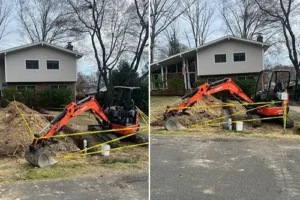
One winter, I got a call from a homeowner who swore their main water line had exploded. Water was pouring into their yard. When we dug down, the problem wasn’t the main—it was the line feeding an outdoor spigot. A garden hose had been left connected all winter. The freeze traveled right into the pipe, cracked it, and once things thawed, the leak started. A $3 hose washer would’ve saved them thousands.
Step Five: Know How to Shut Off the Water
Even with precautions, sometimes pipes still break. Knowing where your main shut-off valve is—and being able to turn it quickly—minimizes the risk of flooding. I tell every homeowner: practice turning it off before you need to. That step alone doesn’t stop freezing, but it limits damage when prevention fails.
Why Call Stubbornly Honest Plumbers
Sometimes prevention tips aren’t enough, especially in older homes or during long freezes. That’s where pros come in. We’re the Stubbornly honest plumbers, which means if all you need is a quick wrap of insulation, we’ll say so. If your system needs upgrades to truly prevent damage, we’ll show you why and give you straight answers. No gimmicks—just honesty about what keeps your water lines safe.
FAQ
What temperature do pipes start freezing?
Generally around 20°F or lower, though drafts and poor insulation can make them freeze sooner.
Does dripping water really help prevent damage?
Yes. The movement keeps water from freezing solid, which reduces pressure in the line.
Should I turn off the water when leaving town in winter?
If temps are expected to drop, yes. Shut off the main and drain lines to prevent damage while you’re gone.
Is pipe insulation worth the cost?
Absolutely. It’s inexpensive, quick to install, and effective against sudden cold snaps.
Don’t Wait for the First Freeze
Once the ice forms, it’s too late. Taking time now to insulate, disconnect, and let water move can save you from expensive repairs. Frozen pipes aren’t just inconvenient—they wreck walls, floors, and yards.
If you want help getting ready or need repairs after a freeze, call the Stubbornly honest plumbers. We’ll give you straight advice, fix what’s broken, and help you truly prevent damage before the next cold snap. Because winter doesn’t care about your schedule, but you can still stay one step ahead.