How Seasonal Soil Shifts Impact Water Lines?
Most homeowners don’t think about what’s happening beneath their yard. Out of sight, out of mind—until the water bill suddenly spikes or there’s a mysterious wet patch that won’t dry up. Seasonal soil shifts are one of those invisible culprits. They move underground lines, bend pipes, and eventually cause leaks or even full breaks. Let’s dig into why that happens and what you can do about it.
The Nature of Soil Shifts
Soil isn’t as steady as it looks. It breathes with the weather. After heavy rain, it swells. After a long dry stretch, it shrinks and hardens. In places with clay-heavy ground, like much of the South, those changes are even more dramatic. These soil shifts put constant pressure on buried water lines. Over time, that pressure finds the weak point—a joint, an old pipe, or a corroded section—and that’s where problems start.
How the Seasons Play a Role
Every season leaves its mark.
- Winter: Cold snaps freeze the ground, then thaw. That expand-contract cycle makes soil restless.
- Spring: Saturated soil from rain puts heavy weight on buried lines.
- Summer: Long dry spells pull moisture out of the ground, and soil contracts, pulling pipes apart.
- Fall: A mix of rain and cooler temps creates smaller but still noticeable shifts.
In Richmond, or honestly anywhere with shifting moisture levels, these seasonal cycles repeat every year. And each round of soil shifts adds stress to underground infrastructure.
Signs Soil Is Hurting Your Water Lines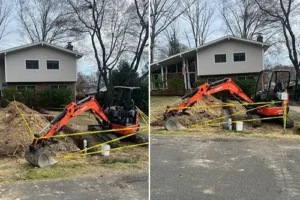
You probably won’t see the pipe itself, but the yard and your plumbing will give clues.
- Soft or soggy spots in the lawn even during dry weeks
- A sudden spike in your water bill without more use
- Reduced water pressure in the house
- Foundation cracks paired with plumbing problems
I remember a homeowner who swore their sprinkler system was leaking. Turned out, the sprinkler was fine—it was the main line cracked from seasonal soil shifts.
Why Old Pipes Suffer More
Not all water lines are created equal. Older homes may have galvanized steel or clay pipes underground. These materials don’t bend well. When the earth around them moves, they don’t flex, they fracture. Even modern PVC or copper lines can’t take endless stress. The older the pipe, the less wiggle room it has left.
A Story From the Field
One summer, during a long dry stretch, we got called out to a Richmond home with no visible leak but a water bill double its normal amount. We found the pipe had pulled apart at a joint underground. The soil around it had shrunk, tugging the line until it gave way. The homeowner said, “I thought the ground only moved during earthquakes.” Nope. Regular old soil shifts did it.
What Homeowners Can Do
You can’t stop the earth from moving, but you can take steps to protect your lines.
- Watch for early signs—water pressure changes, lawn puddles, or higher bills.
- Keep soil moisture more consistent—regular watering during long dry spells can reduce shrinkage.
- Know your pipe material—older lines are more vulnerable. If you don’t know what’s underground, ask during your next inspection.
- Schedule inspections—pros can run cameras through your lines to spot small problems before they burst.
Why Professional Help Matters
When pipes crack from soil shifts, it’s rarely a simple DIY fix. Digging up the yard, replacing sections of pipe, or even rerouting lines takes experience. At that point, it’s about solving today’s leak and also preparing for the next round of shifting ground.
That’s where we come in. We call ourselves Stubbornly honest plumbers because we’ll tell you straight whether you need a patch, a section replacement, or a full upgrade. We don’t pad the bill with work you don’t need, but we won’t pretend a band-aid fix will last forever either.
FAQ
Are soil shifts really that common?
Yes. Anywhere the ground freezes, floods, or dries out significantly, soil movement is constant.
How do I know if soil shifts caused my leak?
You usually don’t until a pro inspects. But signs like uneven yard moisture, unexplained water use, and seasonal timing point to it.
Can newer pipes still be damaged?
Absolutely. PVC and copper handle stress better than steel or clay, but repeated movement will wear them down.
Should I replace my whole line if it breaks once?
It depends. If it’s an older material or multiple weak points are visible, replacement makes sense. If it’s a one-time crack in an otherwise solid pipe, a repair may do the trick.
Don’t Wait for the Yard to Flood
Seasonal soil shifts don’t happen in dramatic bursts. They creep up, season by season, until something underground finally gives. By the time you notice, the damage is already done.
If you suspect shifting ground is stressing your water lines, call the Stubbornly honest plumbers. We’ll check it out, explain what’s happening, and fix it in the way that makes the most sense for your home and budget. Because the ground will always move—you just don’t want your water lines moving with it.