Does Whole Home Repiping Improve Water Quality
You turn on the tap expecting a clean, fresh glass of water. Instead, you’re greeted with cloudy liquid, a faint metallic taste, or that telltale rusty tint. Sound familiar? For a lot of Richmond homeowners, this isn’t just a random hiccup—it’s a sign that the plumbing is showing its age. And that’s where the big question comes in: Does whole home repiping actually improve water quality? Spoiler alert: yes, it can. But let’s dig into why.
Why Pipes Play a Huge Role in Water Quality
Most people think about water treatment plants or filters when talking about clean water. However, the truth is that your home’s pipes carry just as much responsibility.
- Old materials: Many older Richmond homes still have galvanized steel or polybutylene pipes. Both are notorious for corrosion and leaks.
- Sediment buildup: Over time, minerals and rust cling to pipe walls, sending flakes and cloudy water to your faucets.
- Hidden leaks: Tiny leaks allow contaminants to sneak in, especially if pipes run underground.
- Reduced pressure: Corrosion narrows pipes, slowing flow and making it harder for your plumbing to flush out impurities.
In short, your water can start clean at the source, but pick up problems as it travels through outdated pipes. Repiping is one of the most direct ways to improve water quality at home.
The Impacts of Old Plumbing on Your Health and Home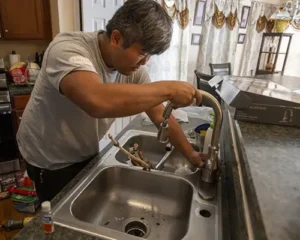
Ignoring aging pipes doesn’t just mean dealing with an odd taste in your morning coffee. The impacts run deeper:
- Health concerns: Rust, lead, and other contaminants can make their way into drinking water.
- Appliance damage: Sediment-laden water shortens the lifespan of dishwashers, water heaters, and washing machines.
- Stains and buildup: Brown water leaves marks in sinks and tubs that no amount of scrubbing fixes.
- Costly emergencies: A burst pipe in winter isn’t just messy—it’s expensive.
All of these headaches tie back to the same root cause: outdated or failing pipes. Replacing them helps to improve water quality and protect your investment.
How Whole Home Repiping Solves the Problem
So, how does repiping actually help? Think of it as giving your home’s plumbing a complete reset.
- New materials: Modern PEX or copper pipes resist corrosion and don’t release harmful metals.
- Consistent flow: Fresh pipes restore full water pressure, flushing out impurities more effectively.
- Cleaner taste and smell: Removing old, rusting pipes means fewer minerals leaching into the water.
- Longer system life: Appliances run better and last longer when fed with cleaner water.
- Peace of mind: No more wondering if your pipes are contaminating what comes out of the tap.
In Richmond, many homeowners notice an immediate difference after repiping—the water looks clearer, tastes fresher, and appliances run more efficiently. It’s one of the most reliable ways to improve water quality at the source.
Maintenance Tips to Keep Pipes (and Water) Clean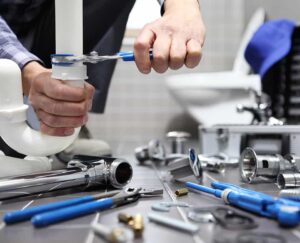
Whole home repiping is a big step, but it’s not the end of the story. To keep your water quality high:
- Change faucet aerators and showerheads yearly to prevent buildup.
- Flush your water heater annually to clear sediment.
- Install a whole-house filter if you want an extra layer of protection.
- Test your water every couple of years, especially if you’re in an older neighborhood.
- Call for inspections if you notice changes in taste, smell, or color.
These habits pair with new piping to consistently improve water quality for years to come.
Wrapping It Up
Does whole-home repiping improve water quality in Richmond? Absolutely. By replacing old, corroded pipes with modern materials, you can enjoy cleaner water, a healthier living environment, and fewer plumbing disasters waiting to happen. At the end of the day, it’s about peace of mind. Your water should be something you trust—not something you squint at before taking a sip.
And if you’re not sure whether your pipes are helping or hurting, give us a call. Our stubbornly honest techs will tell you the truth about what’s going on in your home’s plumbing—no scare tactics, no fluff. Because clean water isn’t optional, it’s the standard you and your family deserve.