PSI Levels Do Professionals Use for Hydro Jetting
If you’ve ever watched a plumber feed a hose into a drain and then heard that powerful whoosh that sounds like a jet engine spooling up, you’ve seen hydro jetting in action. It’s oddly satisfying — watching stubborn clogs vanish as high-pressure water tears through years of buildup.
But here’s the question most people (and plenty of restaurant managers) end up asking: what PSI levels are these pros actually using? Are we talking garden-hose pressure? Firehose pressure? Or something more like “this-could-strip-paint-off-a-car” pressure?
Let’s unpack it — the honest, slightly geeky way — and see how the right PSI Levels make hydro jetting both incredibly effective and surprisingly safe for your pipes.
Why PSI Matters More Than You Think
PSI — or “pounds per square inch” — measures the force of water pressure. The higher the PSI, the more cutting power the stream has. But here’s the tricky part: more isn’t always better. Too little pressure won’t clear the line, while too much can damage pipes, joints, or even seals inside your plumbing system.
So when pros talk about PSI Levels for hydro jetting, they’re not guessing — they’re matching the power of the machine to the job.
Think of it like cleaning your car. You wouldn’t use the same pressure to rinse dirt off the paint that you’d use to blast grime off a driveway, right? Same logic applies here — controlled force equals effective cleaning without chaos.
Common PSI Levels Used by Professionals
Different jobs require different PSI Levels, and professional plumbers know this by heart. Here’s a rough breakdown of what’s typically used:
- 1,500 to 3,000 PSI: Light-duty cleaning — think small residential drains, sinks, or bathroom lines. This pressure is strong enough to break through grease, soap, and minor buildup without stressing older pipes.
- 3,000 to 4,000 PSI: Medium-duty cleaning, ideal for tougher residential jobs or small commercial drains (restaurants, we’re looking at you). This is where most hydro jetting systems operate — powerful, efficient, and safe.
- 4,000 to 6,000 PSI: Heavy-duty industrial or municipal work. Used for main lines, large grease traps, and storm drains that collect everything imaginable.
In most residential and restaurant applications, the sweet spot sits around 3,500 to 4,000 PSI — enough to scrub the pipe walls spotless, without turning your plumbing into a sprinkler system.
What Happens If PSI Levels Are Too High (Or Too Low)
Let’s imagine two scenarios — both bad in their own way.
Too Low: The Lazy Jet
If the PSI Levels are too low, the water stream might only poke a hole through the clog instead of washing it away. It’s like cutting a small doorway through a snowdrift instead of clearing the whole driveway. You’ll get temporary relief, but the buildup comes back fast — sometimes within weeks.
Too High: The Overachiever
On the other end of the spectrum, cranking the PSI too high can erode pipe lining, crack joints, or loosen seals. That’s especially risky in older plumbing systems made of clay, cast iron, or PVC that’s seen better days.
That’s why stubbornly honest plumbers — the ones who actually care about long-term results — always inspect your pipes first. They’ll use a camera inspection to see the condition of your lines before deciding how much pressure to apply. Because once you’ve seen what 4,000 PSI does to a fragile elbow joint… you don’t make that mistake twice.
The Science of Cleaning Efficiency
Here’s something most people don’t realize: PSI isn’t the only factor that determines how effective hydro jetting is.
You’ve also got flow rate, measured in gallons per minute (GPM). The combination of PSI and GPM determines the total cleaning power. A machine running at 3,500 PSI with 5–8 GPM delivers enough water volume to not only cut through gunk but flush it out completely.
That’s the real secret — you don’t just want to break clogs apart; you want to move that debris out of the system entirely. That’s why hydro jetting beats snaking every time. Snakes poke. Jets clean.
When To Schedule a Hydro Jetting Service
Even if you’re not dealing with a full-blown backup, hydro jetting can be a smart part of preventive maintenance — especially for Restaurants, cafes, and commercial kitchens. Grease buildup doesn’t care if business is booming or slow; it happens silently behind the scenes.
Most professionals recommend scheduling hydro jetting:
- Every 6–12 months for busy kitchens or older properties
- After any major clog to ensure the entire line is cleared, not just one section
- Before replacing plumbing lines, to avoid installing new pipes only to have them connect to a gunky main
Regular maintenance means fewer emergencies — and no unpleasant “surprises” when the dinner rush hits.
How Pros Choose the Right PSI Levels for Each Job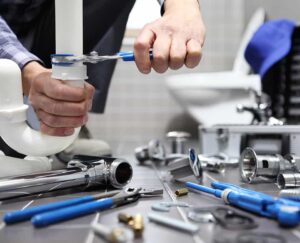
Here’s how the best techs make that call:
- Inspect first. They’ll run a small camera through your pipes to check for cracks, buildup, or weak spots.
- Select the right nozzle. Jetting nozzles come in all shapes — some are designed for cutting grease, others for scouring walls or clearing roots.
- Start low, adjust up. A seasoned plumber never starts full blast. They test the PSI Levels and gradually increase to the optimal force.
That’s what sets apart the pros from the “we’ll wing it” crowd. Experience — and a little caution — keeps your system safe and spotless.
Wrapping It Up: The Honest Truth About PSI and Hydro Jetting
When it comes to hydro jetting, the question isn’t just “what PSI do the pros use?” — it’s “who’s behind the hose?”Because even the most powerful jetting machine in the world can do more harm than good in the wrong hands.
The right technician knows how to balance PSI Levels with precision, inspecting first, cleaning second, and protecting your plumbing every step of the way.
So, whether you’re a homeowner with slow drains or a restaurant manager fighting off grease monster clogs, trust the Stubbornly Honest Plumbers Five Star Benjamin Franklin to handle it the right way — with the right pressure, the right tools, and zero nonsense. Because sometimes the secret to powerful cleaning… is knowing when not to turn up the pressure.