What Happens During a Professional Heater Repair Visit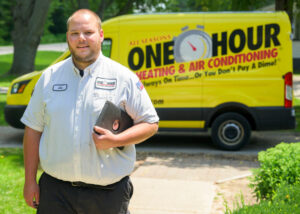
You know that first truly cold morning when your heater decides to play dead? You’re bundled up like an arctic explorer, coffee in hand, muttering to yourself that of course this would happen now.
Before panic sets in and you start Googling “DIY furnace fixes,” take a deep breath. A professional heater repair visit isn’t as intimidating (or expensive) as you might think — especially when you know what to expect.
So, grab a blanket and let’s walk through the process step by step. You’ll not only stay informed but also avoid the awkward “I have no idea what this means” nod when the tech starts talking about heat exchangers and limit switches.
Why Your Heater Might Need Some Professional TLC
Heaters, much like cars, give subtle warning signs before they go full meltdown mode.
Maybe you’ve noticed:
- Odd smells when it kicks on (burning dust or something funkier)
- Loud clunks or rattles that sound suspiciously like your furnace is haunted
- Cold air blowing when it shouldn’t
- Or the big one — your energy bill suddenly spikes
All of these are signals that it’s time to call in the experts. But here’s the thing: heater systems are more complex than most people realize. Inside that big metal box is a mini orchestra of parts — blowers, sensors, igniters — all needing to play in perfect tune. When one goes off-key, the whole performance suffers.
And that’s exactly when knowing What To Expect from a professional visit can save you stress, time, and maybe even some cash.
What To Expect When the Technician Arrives
Alright, let’s talk about the big day — the repair visit. Whether you’ve called in one of those stubbornly honest furnace repair techs or another local pro, here’s how it usually goes down.
A Quick Chat and System Overview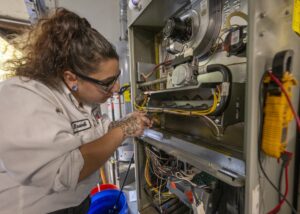
Your technician won’t just dive in with tools blazing.
They’ll start by asking a few questions:
- When did the issue start?
- Any recent strange noises or smells?
- Has your system been serviced this year?
Be honest — even small details help. (If your heater has been making a sound like a popcorn machine, just say it. We’ve heard worse.)
A Full System Inspection
Next comes the real detective work.
The tech will:
- Check the thermostat’s accuracy
- Inspect air filters and vents
- Test airflow and fan operation
- Examine electrical connections
- Evaluate safety controls
This part usually takes 20–40 minutes, depending on how cooperative your heater decides to be that day.
The Diagnosis (And The Honest Talk)
Here’s where the “stubbornly honest” part comes in. A good technician won’t sugarcoat it — they’ll tell you exactly what’s wrong, why it happened, and what your options are.
Maybe it’s a simple capacitor issue, or maybe your heat exchanger’s seen better days. Either way, you’ll get a breakdown of parts, labor, and expected repair time.
Pro tip: Ask questions! The more you understand now, the fewer surprises later. It’s your home, your comfort, and your money — you deserve clarity.
The Impact of Ignoring Heater Problems
Now, you might be thinking, “Eh, it’s still kinda working. I’ll call next week.” That’s how trouble starts.
Delaying repairs can lead to: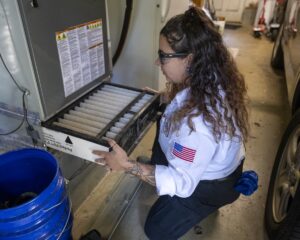
- Higher energy bills (your system strains harder to heat the same space)
- Worsening damage to internal components
- Complete system failure (usually on the coldest day of the year — naturally)
- Potential carbon monoxide risks if cracks develop in the heat exchanger
Knowing What To Expect also means knowing what not to ignore. A small $150 repair today might prevent a $1,500 replacement next month. If your heater’s behavior seems even a little off, trust your gut — and your toes. Cold feet are never a good sign.
Maintenance Tips To Avoid Future Repairs
Here’s the good news: most heater breakdowns are totally preventable with a little routine care.
If you want to skip the “no heat in January” panic next year, make these a habit:
- Change air filters every 1–2 months in peak season. Dirty filters are the number-one culprit behind poor performance.
- Schedule professional tune-ups every fall. Think of it like a yearly health check — catch problems before they grow teeth.
- Keep vents clear. Blocked vents mess with airflow and efficiency.
- Listen for weird sounds. Rattles, squeals, or bangs are early warning signs.
- Don’t ignore strange smells. Burning or metallic odors can indicate electrical issues.
Preventive care isn’t glamorous, but it’s what separates a cozy winter from a shivering one.
What To Expect After Repairs Are Done
Once your heater’s fixed, most pros will test the system again to make sure everything’s running smoothly.
They’ll verify:
- Temperature output is consistent
- Thermostat readings match the actual room temp
- All safety switches and sensors are working
You might also get some maintenance recommendations or small upgrades to improve efficiency — like installing a smart thermostat or sealing duct leaks. Oh, and one more thing you can expect? Warm air. Glorious, uninterrupted, don’t-need-three-sweaters warm air.
Wrapping It Up (And Warming Back Up)
So, now you know What To Expect from a professional heater repair visit — from that first knock on the door to the final system check. It’s not nearly as scary once you understand the process.
A reliable technician will diagnose the issue, explain it in plain English, and get you back to cozy living in no time.
And if you’re ever unsure, call the Stubbornly Honest Techs — we’ll give you straight answers, fair pricing, and zero fluff. Because comfort shouldn’t come with confusion. Stay warm, stay informed, and remember — a happy heater means a happy home.