What To Do If Your Heater Fails During Winter?
It’s 6 a.m., and your room feels like a walk-in freezer. You pull the blanket up to your nose, glance at the thermostat, and see it blinking a temperature that could chill your coffee. Then it hits you — your Heater Fails.
Not exactly the cozy winter vibe you were going for, right?
Before you panic or start googling “how to survive in an igloo,” take a breath. A heater breaking down in the middle of winter isn’t the end of the world — though it sure feels like it when your toes go numb. Let’s talk about what’s really going on, why it happens, and what you should do next (besides wrapping yourself in five layers of hoodies).
Why Heaters Fail (And Why It’s Always When You Need Them Most)
It’s almost like your furnace waits for the coldest day of the year to give up. But there’s logic behind the bad timing. When temperatures plummet, your system is working harder than ever — running longer, cycling more often, and pushing every component to its limit.
Here are a few of the most common reasons a Heater Fails when it shouldn’t:
- Clogged filters. Dust, pet hair, and debris can choke airflow, forcing the system to overheat and shut down as a safety precaution.
- Ignition or pilot problems. If your heater uses gas, a faulty ignition switch or thermocouple might be the culprit.
- Blower motor failure. Without this, warm air never makes it past the furnace.
- Thermostat malfunctions. Sometimes it’s not the heater — it’s the brain telling it what to do.
- Power supply issues. Tripped breakers or faulty wiring can stop everything cold (literally).
It’s rarely one catastrophic event; it’s usually a buildup of small issues your heater’s been trying to tell you about for weeks. You know those strange rattling noises you ignored? Yeah — that was your first clue.
What Happens When Your Heater Fails: The Real Impact
When a Heater Fails, it’s not just inconvenient — it’s potentially unsafe. In freezing weather, homes lose heat fast, especially older ones without great insulation.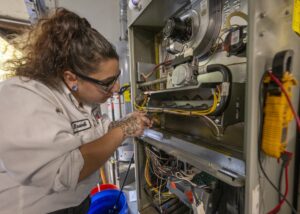
Here’s what starts to happen:
- Pipes can freeze and burst, causing costly water damage.
- Indoor humidity drops, which dries out skin and sinuses (and can even crack hardwood floors).
- Portable space heaters — often used in desperation — can create fire risks if not used correctly.
- And of course, your mood? Let’s just say nobody’s cheerful when they can see their breath indoors.
The key is not to wait too long before taking action. The faster you respond, the easier (and cheaper) it is to fix.
Immediate Steps To Take When Your Heater Fails
Alright, let’s get to the part you actually need — what to do the moment your Heater Fails. Here’s your action plan, straight from some stubbornly honest furnace repair techs who’ve seen it all.
Check the Basics First
Before assuming the worst, look for simple causes:
- Is the thermostat set correctly and powered?
- Did a breaker trip or a fuse blow?
- Are vents blocked or filters clogged?
You’d be amazed how many “dead” heaters come back to life with a clean filter and a flipped switch.
Inspect Your Pilot Light (For Gas Furnaces)
If the pilot is out, relight it following your system’s manual (and never with guesswork). If it won’t stay lit, stop there — that’s a job for a pro. Gas issues are no place for DIY heroics.
Use Safe Backup Heat
Portable heaters can save you temporarily, but safety first: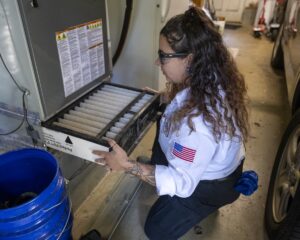
- Keep them three feet from anything flammable.
- Never leave them running unattended.
- Avoid plugging them into extension cords.
Better to feel slightly chilly than to risk a house fire.
Call The Pros Early
If your Heater Fails and none of the quick checks solve it, call a licensed technician right away. The best time to schedule is immediately — before everyone else in your neighborhood realizes their systems also gave up.
A stubbornly honest tech will diagnose the problem quickly and tell you exactly what’s wrong, no upsells, no guesswork. Just straightforward answers and warm air waiting on the other side.
Preventing Future Heater Failures (Because Once Is Enough)
You’ve probably heard the saying: “An ounce of prevention is worth a pound of shivering.” Okay, maybe that’s not how it goes, but it’s true.
Here’s how to avoid a midwinter repeat:
- Schedule annual maintenance before cold season hits — fall is best.
- Change filters every 1–2 months during heavy use.
- Listen for noises. Grinding, squealing, or rattling isn’t “just how it sounds.”
- Seal drafty windows and insulate where you can. A heater that doesn’t have to fight drafts lasts longer.
- Invest in a smart thermostat — it helps prevent overuse and saves on energy bills.
Regular maintenance costs around $80–$150, but it can prevent breakdowns that cost ten times more. Pretty solid trade-off, if you ask us.
The Emotional Side (Yes, It’s a Thing)
When your Heater Fails, it’s not just about staying warm — it’s about feeling secure in your own home. There’s something deeply unsettling about walking into a space that suddenly feels uninhabitable.
So if you find yourself frustrated, anxious, or pacing while wearing mittens indoors — that’s normal. Just don’t let panic guide your next move. Trust the process, keep communication clear with your technician, and take comfort in knowing that heat is on the way.
Wrapping Up: Stay Calm, Call Smart
So, what should you do when your Heater Fails during winter? Start with quick checks, stay safe with temporary heating, and call in help before the situation escalates. Simple, calm, and efficient — no panic required.
If you want clear, no-nonsense answers from people who fix furnaces and tell it like it is, call the Stubbornly Honest Techs. We’ll get you warm again — and maybe crack a joke or two while we’re at it. Because when your Heater Fails, you don’t just need a repair — you need a little honesty, a little warmth, and a team that actually shows up.