How Duct Condition Affect Heater Replacement
I’ve lost count of how many heater replacements I’ve stood next to where the homeowner expected a magic fix. New unit in, old problems gone. That’s the hope, anyway. Then the heat kicks on, rooms warm unevenly, and someone gives me that sideways look. You know the one.
More often than people expect, the issue isn’t the heater at all. It’s the Duct Condition. And yes, that changes everything.
Let’s talk about why those hidden metal (or flex) pathways matter so much when you’re swapping out a heater.
The Heater Is Only Half the System
A heater creates warm air. Ducts deliver it. That relationship is pretty simple, but people forget it fast.
If the Duct Condition is poor—leaks, sagging runs, old insulation falling apart—the heater works harder than it should. I’ve seen brand-new systems strain like an old pickup truck hauling bricks uphill because the ducts leaked heat into crawlspaces and attics.
A heater replacement doesn’t reset the clock on ductwork. The new unit inherits whatever shape those ducts are in. Good or bad. And bad ductwork? It shows up fast.
Old Ducts Don’t Play Nice With New Heaters
Here’s a real one. A few winters back, a homeowner upgraded to a high-efficiency heater. Top of the line. The house still felt cold.
Why? The Duct Condition was rough. Undersized returns, crushed flex duct behind walls, and gaps sealed years ago with duct tape that had turned brittle and useless.
New heaters push air differently. Higher efficiency systems rely on proper airflow. If ducts choke that airflow, the system short-cycles or overheats. That leads to shutdowns, odd noises, and a heater that never feels right. It’s like putting racing tires on a car with bent axles. Looks good. Drives terribly.
Comfort Complaints Usually Start in the Ducts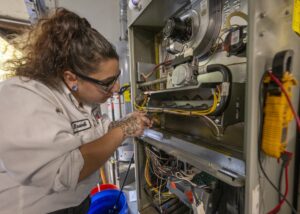
Cold bedrooms. Hot living rooms. A hallway that feels like a wind tunnel.
Those aren’t heater problems most of the time. They’re Duct Condition problems.
When ducts leak, air escapes before it reaches the room. When insulation wears thin, heat bleeds out. When layout doesn’t match the house’s current use, airflow goes sideways. Add a room over the garage? Converted basement? Those changes matter.
During heater replacement, ignoring ducts locks those comfort issues in place for another decade or two. That’s a long time to be annoyed in your own house.
Energy Bills Tell the Story First
People usually notice rising energy bills before they notice duct trouble. That’s normal.
A heater connected to poor Duct Condition runs longer to hit the thermostat setting. Longer run times mean more energy use. And more money drifting out of your wallet every month.
I once met a homeowner convinced their utility company had it out for them. Nope. Their ducts were dumping warm air into an unheated attic. The heater did its job. The ducts didn’t. Replacing the heater alone would’ve helped some, sure. Fixing the ducts helped a lot.
Safety Gets Overlooked (Until It Can’t Be)
This part doesn’t get enough attention.
Cracked or disconnected ducts can pull in dust, insulation fibers, and in some cases combustion byproducts. Poor Duct Condition can even backdraft older heaters under the wrong conditions.
I’ve walked into homes where ducts ran inches from sharp sheet metal edges or rested against framing nails. Over time, wear happens. Air leaks turn into bigger problems.
During heater replacement, checking duct integrity isn’t optional in my book. It’s basic common sense. Same mindset we bring as stubbornly honest electricians—we say what we see, even when it’s inconvenient.
Should You Replace Ducts During Heater Replacement?
Short answer: sometimes. Longer answer: it depends on the Duct Condition.
If ducts are structurally sound, properly sized, and well-sealed, minor repairs may be enough. Sealing joints, adding insulation, or adjusting airflow can make a big difference.
If ducts are collapsing, poorly routed, or sized for a heater installed in 1989, replacement starts making sense. Especially with modern heaters that expect specific airflow ranges.
I know duct replacement sounds expensive. It can be. But pairing it with heater replacement often saves labor costs and prevents future headaches. Doing it later usually costs more.
The Inspection Most People Skip (But Shouldn’t)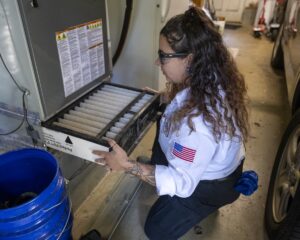
Here’s a confession. Even some pros rush duct inspections. Crawlspaces aren’t fun. Attics itch. Still, that’s where answers live.
A proper duct check looks at:
- Leaks and disconnected runs
- Insulation quality
- Airflow balance
- Signs of age or damage
The Duct Condition tells you how well a new heater will perform before it’s even installed. Skipping that step is like buying shoes without checking the size.
Noise, Drafts, and That Weird Smell
Ever notice a new heater that whistles? Or bangs? Or smells dusty every time it fires up?
Odds are high the Duct Condition plays a role. Air squeezing through gaps makes noise. Dust in old ducts circulates fast once airflow increases. Metal expanding against loose supports makes those popping sounds people complain about at night.
A heater replacement magnifies existing duct issues. Fixing ducts first—or at the same time—keeps the system quieter and cleaner.
FAQ: Duct Condition and Heater Replacement
Do I have to replace ducts with every heater replacement?
No. Some ducts age well. Others don’t. The Duct Condition decides, not a rulebook.
Can bad ducts damage a new heater?
Yes. Poor airflow causes overheating and strain. Over time, that shortens system life.
How long do ducts usually last?
Metal ducts can last decades if installed well. Flex duct often wears out sooner, especially in hot attics.
Will fixing ducts lower my energy bills?
In many cases, yes. Better Duct Condition means less wasted heat and shorter run times. You can also think about upgrading the thermostst
Can ducts be repaired instead of replaced?
Often. Sealing, reinforcing, and insulating go a long way if the structure still holds up.
Final Thoughts From the Field
I’ve watched homeowners light up after a heater replacement that finally worked right. Warm rooms. Quiet operation. Bills that stop climbing. Every time, ducts played a role.
A heater can only perform as well as the Duct Condition allows. Ignore that, and you gamble with comfort, efficiency, and longevity. Pay attention to it, and the whole system starts pulling in the same direction.
If you’re planning a heater replacement, don’t treat ducts like background noise. They’re part of the story. Always have been.