Common Causes of Unusual Noises from a Furnace
Your furnace should hum along quietly in the background. When it starts making strange sounds, something’s off.
I’ve been in hundreds of Richmond basements, and I can tell you—most homeowners wait way too long before calling about unusual noises. They figure it’s just the house settling or maybe the system’s getting old. But here’s what I know, those sounds mean something specific, and ignoring them costs you more in the long run.
The Sounds That Should Get Your Attention
Not every furnace noise signals disaster, but you need to know what you’re hearing. Banging sounds often happen when gas builds up before ignition, then lights all at once. It’s like a mini explosion in your burner chamber. That’s not something you want happening every time your heat kicks on.
Rattling usually means something’s loose—it could be panels, screws, or ductwork that shakes when air rushes through. Sometimes it’s harmless. Sometimes those vibrations damage other components over time.
Then there’s squealing. Nine times out of ten, that’s a blower belt that’s worn down or slipping. The belt needs replacement before it snaps completely, leaving you without heat on the coldest night of the year.
Grinding sounds are worse. That’s metal on metal, which means bearings are shot or a motor’s failing. I had a customer last month who ignored grinding for three weeks. By the time we got there, the whole blower motor had seized up. What could’ve been a $150 bearing replacement turned into an $800 motor job.
Why Richmond Furnaces Develop These Problems
Our weather here does a number on HVAC systems. We don’t get the brutal cold that some places do, but we get enough cycling on and off during damp, chilly stretches that parts wear down faster than people expect.
Humidity doesn’t help either. It enters ductwork, causing rust and making things expand and contract. Add in dust that accumulates over months of operation, and you’ve got the perfect storm for unusual noises.
Age plays a part too, obviously. But I’ve seen five-year-old furnaces making concerning sounds because they never got maintained. And I’ve seen twenty-year-old systems running whisper-quiet because the owners stayed on top of service.
A Quick Story from Last Winter
A woman called us about a boom every time her furnace started. Said it sounded like someone was hitting the ductwork with a hammer. She’d been living with it for almost two months, turning up the TV whenever the heat came on.
We found a burner assembly caked with debris. The gas wasn’t igniting right away, so it pooled up, then whoosh—delayed ignition creating that booming sound. Left unchecked, this kind of problem can crack heat exchangers, potentially leading to leaks of carbon monoxide. We cleaned everything up, adjusted the flame sensor, and suddenly her system ran like it should. Silent and safe. She told me she wished she’d called sooner instead of just dealing with the unusual noises. I hear that a lot.
What You Can Try Before Calling
Some fixes are simple enough to handle yourself. Check if any panels are loose—tighten a few screws and see if the rattling stops. Replace your air filter if it’s been a while. A clogged filter restricts airflow and makes the blower work harder, which creates more noise.
Listen carefully to when the unusual noises happen. During startup? While running? When shutting down? That timing tells a technician a lot about what’s failing.
But don’t push your luck. If you hear persistent squealing, loud banging, or grinding that won’t quit, call someone. DIY only goes so far with furnaces.
Why Those Sounds Matter More Than You Think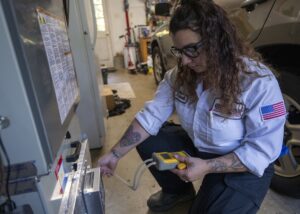
Unusual noises aren’t just annoying background sounds you learn to live with. They’re warnings that something’s breaking down, and what starts small can snowball fast.
A cracked heat exchanger from repeated delayed ignition can pump carbon monoxide into your home. Motors that grind themselves to death cost way more to replace than repair. Systems working inefficiently because of worn parts drive up your energy bills month after month. And furnaces that could’ve lasted another decade die early because minor problems never got fixed.
I’ve watched Richmond homeowners pay thousands for full system replacements when a few hundred dollars in timely repairs would’ve kept their furnace running for years. It’s frustrating to see.
How We Actually Handle These Calls
When someone contacts us about unusual noises, we don’t show up, listen for thirty seconds, and guess. We inspect burners and ignition systems thoroughly. Check blower belts, bearings, and motor mounts. Test for heat exchanger cracks or leaks. Listen to the system run through a full cycle and match what we’re hearing to likely causes.
Sometimes it’s a quick fix—tighten something, replace a belt, clean a sensor. Other times the furnace is telling us it’s reaching the end of its useful life. Either way, you get honest information about what’s happening and what needs to happen next.
We’re the stubbornly honest furnace repair techs for a reason. If your issue is minor, we tell you. If it’s serious, we show you exactly what’s wrong and explain your options. No pressure, no games, no selling you things you don’t need.
FAQ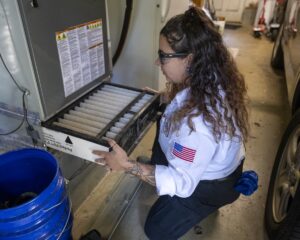
Are unusual noises from my furnace dangerous?
Some are. Banging from delayed ignition or grinding from failing motors can lead to bigger safety issues or expensive damage if you wait too long.
What’s the most common noise you deal with in Richmond?
Rattling panels and squealing belts. Simple problems that get expensive when people ignore them.
Can I fix these unusual noises myself?
You can handle loose panels and filter changes. Beyond that, call a professional who knows what they’re doing.
When should I call right away instead of waiting?
Loud banging, persistent squealing, or grinding sounds that don’t stop—those need immediate attention.
Don’t Ignore What Your Furnace Is Telling You
Unusual noises are your system’s way of asking for help. Richmond winters get cold enough that you don’t want to be caught with a broken furnace in January.
Call the stubbornly honest furnace repair techs. We’ll figure out what’s causing the sounds, fix the problem, and get your system running the way it should—quiet, dependable, keeping your home comfortable all season long.