How Often You Should Get a Heater Tune-Up to Prevent Issues
Here’s something I’ve learned after years of crawling around basements and attics: most heating system failures aren’t sudden. They’re slow-motion disasters. A little carbon buildup here, an igniter that’s barely hanging on there, a blower motor running twice as hard as it should—and then one freezing night, everything quits.
That’s why a heater tune-up, boring as it sounds, might be the smartest $150 you spend all year. I get it—nobody schedules maintenance when things “seem fine.” But “seems fine” is exactly how you end up calling emergency service at 11 PM when it’s 55 degrees inside and your family’s giving you the look.
Let me walk you through how often you actually need this done, what breaks when you don’t, and a few things I wish more homeowners knew.
Once a Year Is the Magic Number
For most homes, one heater tune-up per year does the job. Schedule it in early fall, before the weather turns and every HVAC company is slammed.
Annual service catches the small stuff while it’s still small: corroded burners, gunked-up flame sensors, dying capacitors, frayed wires, cracked belts. Skip it for two or three seasons and you’re basically gambling. Sometimes you win. Usually you don’t.
Here’s when you absolutely need yearly service:
- You’ve got a gas furnace (combustion equipment needs professional eyes)
- Your system’s 8+ years old
- You run heat regularly, even in mild climates
- You’ve had repairs recently
- Someone in your house has allergies or respiratory issues
Now, if you’ve got a newer heat pump and barely use it? You might stretch to 18 months. Maybe. But I’ve seen too many “low-use” systems fail at the worst possible moment. Annual still wins.
What You’re Actually Preventing
A real heater tune-up isn’t just “blow some dust around and cash the check.” It’s a full inspection of everything that tends to fail first.
No-heat emergencies during cold snaps
That first cold week tests your furnace like a pop quiz. Weak igniters and dirty sensors fail right when every tech in town is booked out three days.
Short cycling that kills your budget
Short cycling—when the heater kicks on, shuts off, kicks on again—beats up your equipment and jacks up your utility bill for zero benefit.
Carbon monoxide risks
Gas appliances need clean burners, proper airflow, and working vents. Annual checks spot dangerous problems before they become dangerous situations.
Blower motors dying early
Dust builds up. Dust creates friction. Friction means heat and wear. A simple cleaning during a tune-up can add years to a blower’s life.
I watched this play out with my own uncle. Skipped service because “it’s working fine,” then Thanksgiving morning the furnace gave up entirely. I spent half the holiday trying to find someone willing to come out. Not my best Turkey Day.
Match Your Tune-Up Schedule to Your Life
People want a strict rule, but it’s more like going to the dentist—your habits matter.
Got pets? Live somewhere dusty? Run your system hard? You need the annual heater tune-up, no question. If your heating season is light and you’re religious about changing filters, you’re still better off with regular service. Just maybe with less panic.
Stubbornly honest furnace repair techs
That’s what you want in your corner. Someone who’ll say “your system’s fine, just keep an eye on this” instead of inventing problems to sell you stuff.
FAQ: Heater Tune-Up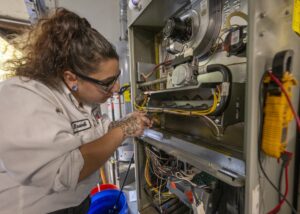
How often should I get a heater tune-up?
Most homes need a heater tune-up once a year, ideally before heating season starts.
What’s the best month for a heater tune-up?
September through early November. You beat the rush and your system’s ready when temperatures drop.
Is a tune-up worth it if my heater is new?
Yes. New systems still collect dust, and small factory or install issues show up early. Plus it keeps your warranty clean.
Can I do my own heater tune-up?
Change filters, keep vents clear, vacuum around the unit—sure. But don’t mess with gas pressure, combustion testing, or electrical diagnostics unless you’re trained.
What are signs I waited too long?
Strange smells, noisy start-ups, uneven heat, rising bills, frequent cycling. If you’re hearing new sounds, it’s time.
A heater tune-up is like oil changes for your comfort system. Skipping it doesn’t guarantee failure, but it makes failure way more likely.